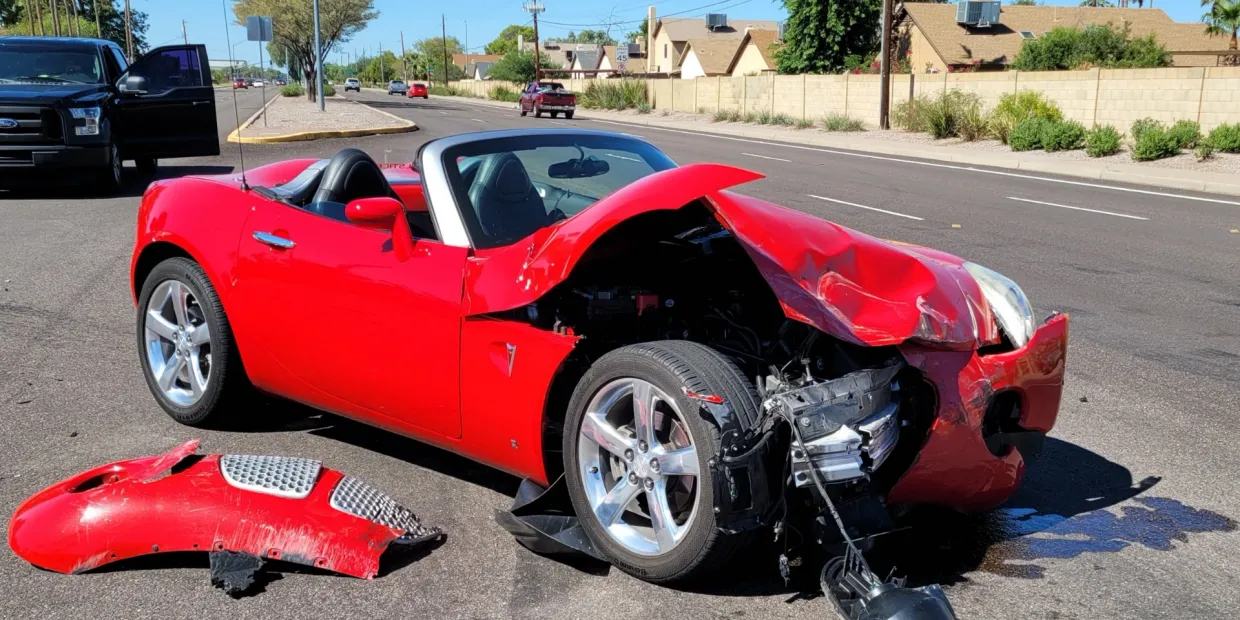
Car repair insurance, also called mechanical breakdown insurance, pays to fix sudden mechanical failures - not accident damage. It is cheapest on newer, low-mileage vehicles, usually overlaps a factory or extended warranty, and is worth it mainly if a surprise repair bill would strain your budget. Collision and body damage fall under collision and comprehensive coverage instead. That is our side of the shop: BZ Kustomz has served Mesa since 1998 and estimates are always free.
Car repair insurance is one of those coverages most drivers never think about until a major part fails and the estimate lands. If you have ever wondered whether car repair insurance would save you money when your engine, transmission, or electrical system quits, this guide breaks down what it is, what it covers, what it costs, and how to decide if it belongs on your policy. We will also clear up where it fits alongside the collision and comprehensive coverage that pays for body and accident damage.
What Is Car Repair Insurance?
Car repair insurance, often called mechanical breakdown insurance (MBI), is an optional policy that helps pay to fix mechanical failures your standard auto insurance leaves out. Regular car insurance is built to handle accidents, theft, weather, and vandalism. It is not designed to cover a transmission that gives out or a fuel pump that dies on its own. Car repair insurance is meant to fill exactly that gap.
In practice, the coverage works a lot like a manufacturer or extended warranty. You pay a premium, and when a covered part breaks down, the policy picks up the repair cost minus your deductible. Most insurers only sell it on newer, lower-mileage vehicles, so it is something to look into shortly after you buy a car rather than years down the road. Some providers cap eligibility at around 15,000 miles or a vehicle only a year or two old, though limits vary.
What Does Car Repair Insurance Cover?
Exactly what is covered depends on your policy, but car repair insurance generally protects the major mechanical and electrical systems that are expensive to fix. Common covered components include:
- Engine and its internal components
- Transmission and drivetrain
- Electrical systems
- Steering and suspension
- Fuel and exhaust systems
- Braking systems
- Air conditioning
Depending on the plan, you may also see coverage for seals and gaskets, driver-assist and safety technology like backup cameras, convenience features such as keyless entry, and extras like roadside assistance or trip interruption. Plans are usually written one of two ways. An exclusionary plan covers everything except the parts it specifically lists as off limits, which is the broadest option. An inclusionary plan only covers the parts it names. Always read the contract so you know which type you are buying.
What Car Repair Insurance Does Not Cover
Just as important is knowing where the coverage stops. Car repair insurance typically will not pay for:
- Routine maintenance like oil changes, tire rotations, and brake pads
- Normal wear and tear
- Cosmetic damage such as scratches, dents, and paint
- Rust and corrosion
- Tires, trim, and other non-mechanical parts
- Aftermarket or unauthorized modifications
- Preexisting problems
- Damage from an accident or collision
Even when a part is covered, a claim can be denied if you cannot show the required maintenance was done, you used fluids the manufacturer does not recommend, or you kept driving after a warning light flagged a serious issue. Good records and consistent upkeep are what keep this coverage useful.
How Much Does Car Repair Insurance Cost?
Pricing swings based on your vehicle, your deductible, and the coverage you choose, but it tends to be modest compared to a repair bill. Published rates from major insurers start around $12 to $19 per month, and industry quotes often land near $150 per year. Deductibles commonly range from about $50 to $250 when bought through an auto insurer, though some plans run higher. As with any coverage, a higher deductible usually means a lower premium, so weigh how much you want to pay up front against your monthly cost.
Car Repair Insurance vs. Extended Warranty
Car repair insurance and extended warranties solve a similar problem, but they are not the same product. The differences come down to who sells them, how you pay, and which cars qualify.
The short version: car repair insurance is usually the better fit for a newer car and lets you spread the cost across monthly payments, while an extended warranty tends to make sense for older or higher-mileage vehicles that no longer qualify for MBI.
How Does Car Repair Insurance Work?
Once you are enrolled, you pay your premium like any other coverage. When something breaks down, the process is straightforward:
- Contact your insurer to open a claim, usually online or by phone.
- Take the vehicle to a licensed repair shop for diagnosis and repair.
- Pay your deductible. The insurer covers the approved repair cost above that, up to your policy limit.
Many plans let you choose your own repair facility, and some include perks like a rental car or roadside help while your vehicle is in the shop. Coverage does need claim approval, so confirming the details before work begins keeps everyone on the same page.
Is Car Repair Insurance Worth It?
The honest answer is that it depends on your car, your budget, and how long you plan to keep the vehicle. Car repair insurance pays off when your covered repair costs more than the premiums and deductible you have paid in. A single transmission replacement can run anywhere from about $1,500 into five figures, so one big claim can more than justify years of coverage.
Consider adding car repair insurance if:
- Your car is out of, or close to leaving, its factory warranty
- Your make or model has known reliability or repair-cost issues
- You plan to keep the vehicle for a long time
- A surprise repair bill would be hard to absorb right now
You may be fine skipping it if:
- Your car is still under a manufacturer or extended warranty
- You drive very little, which reduces wear
- Your vehicle is reliable and cheap to fix
- You have a healthy emergency fund set aside for repairs
- You expect to sell the car before the warranty ends
There is also the risk to keep in mind: a denied claim leaves you paying the full repair on top of the premiums you already spent. For some drivers, steadily funding a dedicated car repair savings account offers the same peace of mind without a monthly premium. Both paths are valid. The right one depends on your numbers.
Where Collision and Body Repairs Fit In
Here is the piece a lot of coverage articles gloss over. Car repair insurance handles mechanical breakdowns, not crash damage. If you are rear-ended, back into a pole, or take hail damage, that is where your collision and comprehensive coverage come in. Collision pays to repair your vehicle after an accident regardless of fault, and comprehensive covers non-collision events like theft, vandalism, and weather. You pay your deductible, and your insurer covers the approved repair.
One thing many drivers do not realize: in most situations, you have the right to choose the shop that repairs your vehicle. Your insurer may suggest a preferred network, but the final call on who does the work is usually yours. That matters when you want quality body and paint work done right the first time.
That is the part of the picture where a shop like BZ Kustomz in Mesa comes in. Mechanical breakdown coverage keeps your engine and transmission on your insurer's radar, but when it comes to collision repair, dent and paint work, and getting your vehicle looking and driving like it should after an accident, our team handles the estimate, works with your insurance claim, and gets you back on the road.
The Bottom Line
Car repair insurance can be a smart hedge against expensive mechanical failures on a newer vehicle, especially if a surprise repair would strain your budget. Compare quotes, read the exclusions closely, and weigh the cost of coverage against building a repair fund of your own. And remember that mechanical coverage is only half the story. When collision or body work is what your vehicle needs, BZ Kustomz is here to handle the repair and work directly with your claim.
Need collision or body repair in Mesa? Reach out to BZ Kustomz for an estimate.
Car Repair Insurance
Questions, Answered
Do I need car repair insurance if I already have a warranty?
Usually not. A factory or extended warranty typically covers the same mechanical failures, so carrying both often means paying twice for overlapping protection.
How long do I have to buy car repair insurance?
Most insurers only offer it on newer, low-mileage vehicles, so your window is widest right after you buy the car. Wait too long and you may no longer qualify.
Can I use any repair shop with car repair insurance?
It depends on the policy. Some plans let you pick any licensed shop, while others steer you toward approved facilities. Read the fine print before you commit.
Does car repair insurance cover accident damage?
No. Accident and body damage fall under collision and comprehensive coverage, not mechanical breakdown insurance. That is the work BZ Kustomz handles, and we work directly with your insurer on the claim.